
Why college prop bets are banned in some states
Walk into any sportsbook in the country, and you’ll see familiar betting staples—point spreads, moneylines, over/unders, and of course, props. But take a closer look during college football or March Madness season, and you might notice something missing: no player props involving college athletes. Depending on where you’re wagering, those bets might be strictly off-limits. Some states have drawn a hard line in the sand, outlawing college prop bets altogether. And that’s not a decision made overnight—it’s rooted deep in legislative caution, integrity concerns, and downright logistical nightmares.
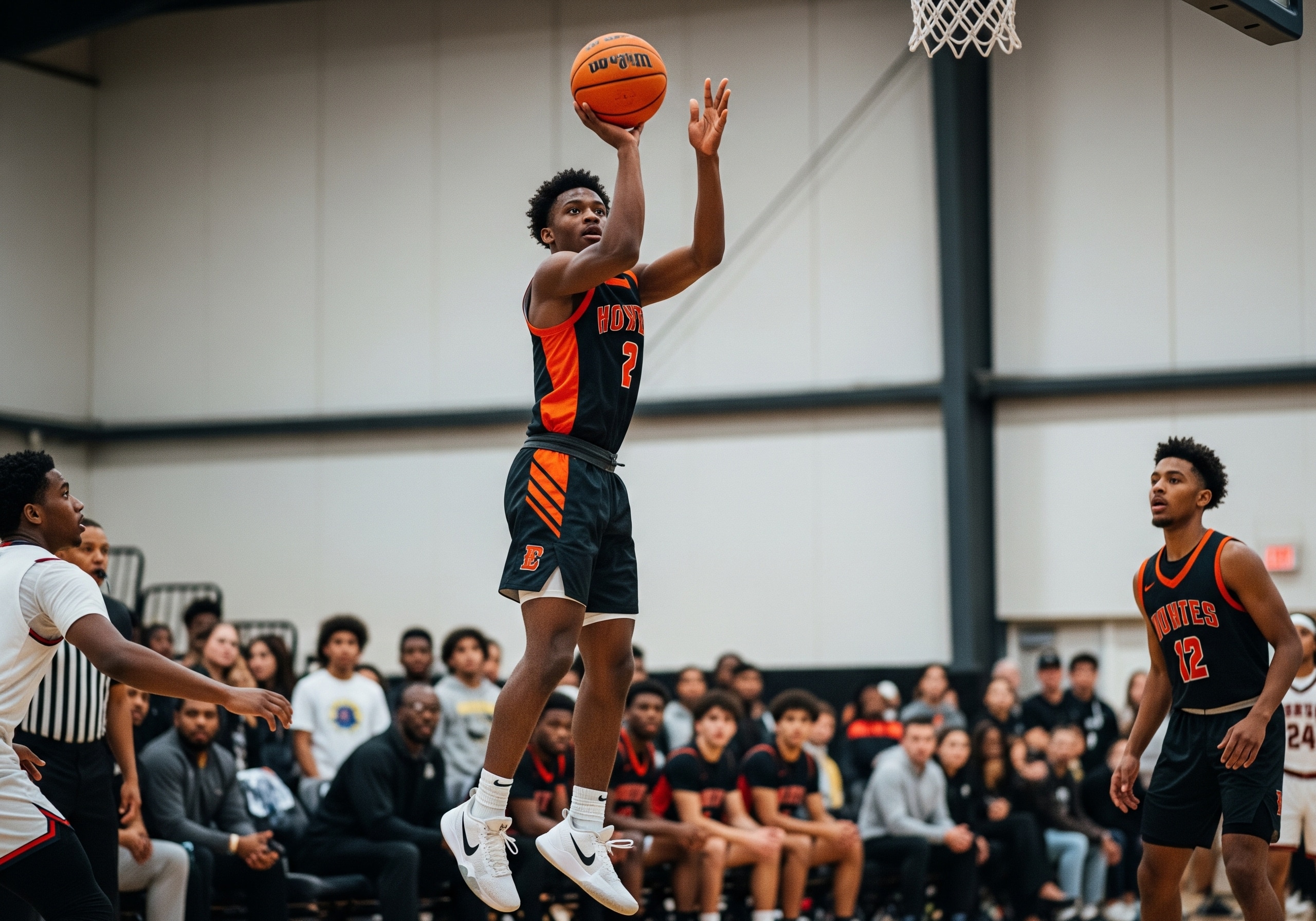
The integrity of amateur athletics isn’t just a cliché
Let’s get this straight: sports betting isn’t the wild west anymore. It’s not barroom bets and bookie phone calls in back alleys. But when it comes to regulated betting in states like West Virginia, lawmakers carry an obligation—not just to the bettors, but to the athletes themselves. The NCAA is made up primarily of student-athletes, not professionals. They don’t get paid to perform in the same way NFL or MLB players do (NIL deals aside). And that financial vulnerability opens a dangerous door. When someone knows the over/under on a backup point guard’s assist total is 4.5, there’s suddenly a specific target ripe for manipulation or harassment. Trust me, it’s not paranoia—it’s happened before, and it’ll happen again if we’re not cautious.
Influence and pressure on young athletes
Here’s where rookies in the industry often miss the mark. Props aren’t just numbers—they’re names. Naming individual athletes makes your wager intensely personal. I’ve seen firsthand how exposure to prop bets leads to targeted abuse on social media. True story: back in 2019, a Division I kicker missed a 35-yard game-winner. Dozens of bettors from a neighboring state—where college props were still legal—tore into him online. The poor kid deleted his account within hours. That kind of cultural pressure alters the landscape. These are teenagers and young adults, not hardened pros. There’s a reason why over 15 states have banned such bets—it’s a protective measure, and frankly, long overdue in some markets.
Spotting a regulatory minefield
Don’t think for a second that these bans are just about protecting emotions. Legislatively, it’s a labyrinth. Every wager must be monitored, reported, audited for fairness. With pro athletes, that’s manageable—stable rosters, known performance metrics. With colleges, it’s foggy. Athletes rotate faster than you can say “transfer portal.” Injury disclosures are spotty at best, and lineups often change minutes before tipoff. States know this. Enforcing fair betting lines on college props is like trying to hit a knuckleball with a spaghetti noodle—technically possible, but you’re better off sitting it out.
Operational inconsistencies across sportsbooks
You ever see a sportsbook freeze a college prop market mid-game? It’s uglier than a lopsided parlay ticket. That inconsistency irritates seasoned bettors, confuses regulators, and opens windows for exploitation. Some platforms rely on third-party feed providers who don’t prioritize college events, leading to market lags and stale lines. Even with streamlined payment methods like VIP Preferred, the back-end regulation is chaotic. And sportsbooks? They’d rather skip the headache than risk bad PR or fines from the state gaming commission. It’s a business decision that also serves public interest—rare, but wise.
A question of ethical lines vs. market demand
Now don’t get me wrong—demand for college player props exists, big time. Especially during March Madness and the College Football Playoff. Some bettors will look at the restrictions and say, “Well, I can bet on a pro pitcher’s strikeouts, so why not a college quarterback’s passing yards?” Fair question. But the big leagues have union reps, player associations, and contractual armor. College athletes, even in 2024, still lack those formal protections. So while the temptation is to view the ban as overregulation, the truth is: it’s a guardrail that stops us from hurtling off a cliff we don’t always see coming.
When will it change? Don’t hold your breath
If you’re betting on a policy shift any time soon, don’t. The growing appetite for responsible betting—alongside increasing pressure from athletic programs—means the bans may actually expand. Some sportsbooks specializing in pro-level data models are already carving NCAA props out of their offerings, not because they want to, but because operational exposure just ain’t worth it anymore. The juice isn’t worth the squeeze. Until college athletics becomes standardized enough to withstand sharp betting attention, we’ll continue to see states tighten that leash.
Final thought: just because you can, doesn’t mean you should
Novices often chase every market like it’s a pot of gold. But wisdom means knowing when a bet isn’t just risky—it’s detrimental. The world of betting is filled with gray areas, but on this one, the line is clear. College prop bans aren’t about policing fun—they’re about maintaining fairness for the game and its players. Some traditions—like respecting the boundaries of amateurism—still matter. So if you’re looking to get your action in, focus on team-based bets or explore alternatives that don’t compromise athlete integrity. Believe me, there’s plenty of edge to be found there for those with a sharp eye and a steady hand.
No Comments found